01
Screen
Is there a credible combined opportunity?
Desktop power, land, fibre, planning and hazard screen.
Reject or proceed
Development
The DataParks model keeps the principal question, required evidence and next decision clear at each stage.
Stage-gate model
Each stage earns the next. An opportunity can be rejected, held, redesigned or advanced as the evidence develops.
Is there a credible combined opportunity?
Desktop power, land, fibre, planning and hazard screen.
Reject or proceedCan the opportunity be assessed properly?
Information rights, exclusivity, option or agreed pathway.
Establish controlDo the physical and commercial conditions hold?
Network, planning, fibre, utilities, environmental and access studies.
Continue, redesign or stopCan the development be authorised?
Masterplan, consultation and statutory approvals.
Approved pathwayIs there a credible user, delivery and capital structure?
Operator requirements, contracts, funding and programme.
Commit or deferAre the conditions for staged delivery established?
Final agreements, approvals, construction and commissioning plan.
ProceedPlace, approvals and delivery
Planning, environment, water, access, construction logistics and stakeholder context are assessed before delivery is treated as credible.
Permissibility, environmental constraints, hazards, amenity and required statutory pathways are tested at the appropriate stage.
Water, cooling, wastewater, backup systems and utility interfaces are considered alongside the electrical pathway.
Construction access, logistics, surrounding uses and stakeholder engagement inform whether and how an opportunity should progress.
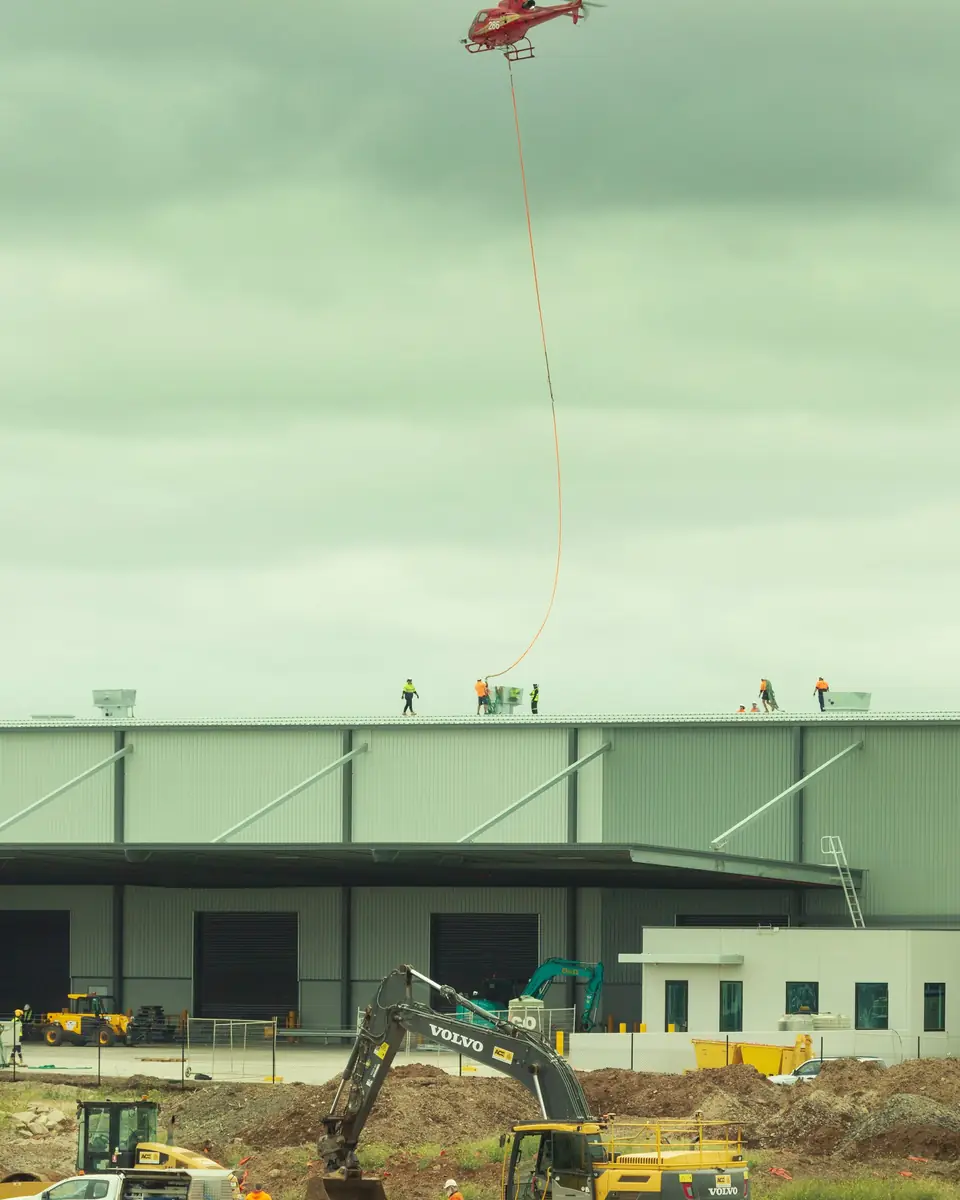
Development discipline
DataParks does not treat a concept, access pathway, approval or delivery programme as interchangeable. The six-stage model preserves those distinctions without publishing unsupported project-status claims.
Discuss a development pathway